|
|
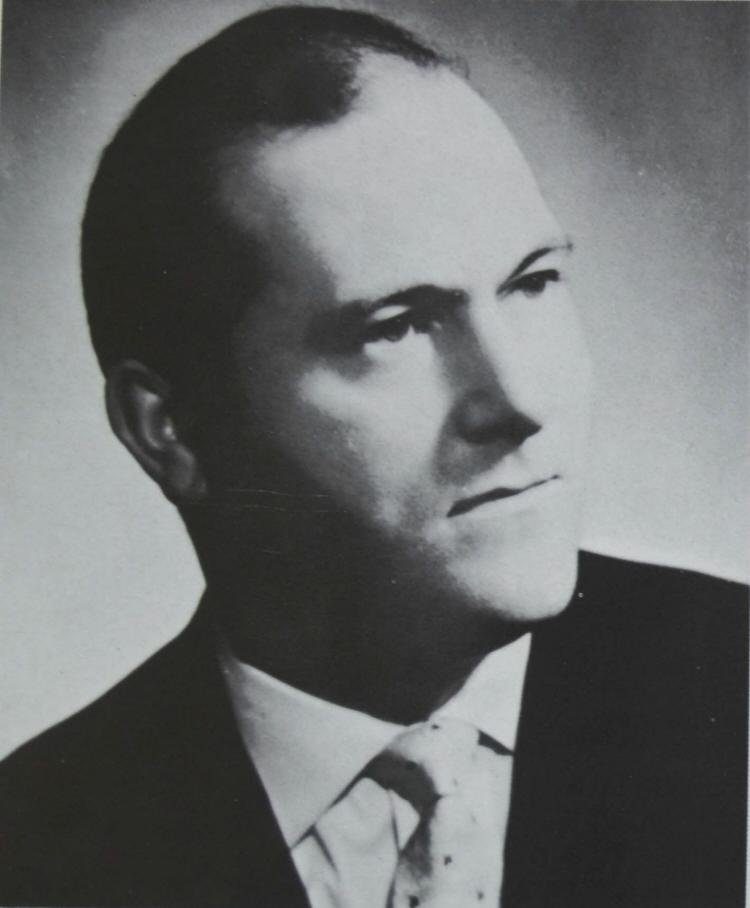
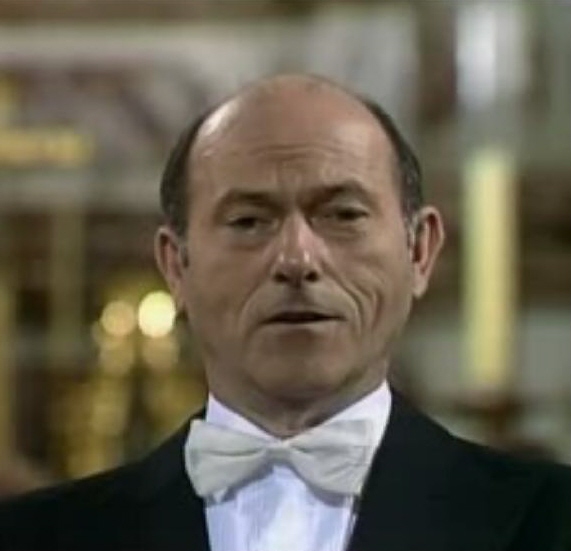
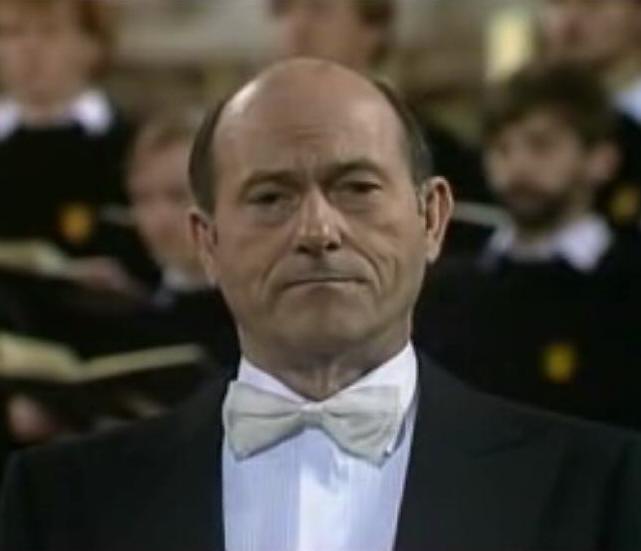
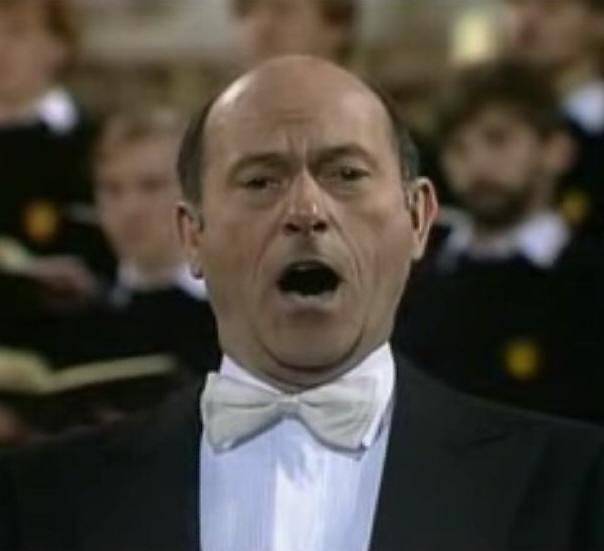
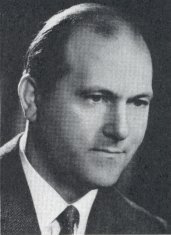
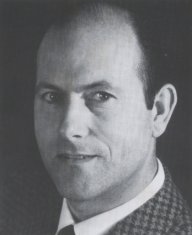
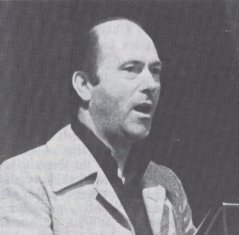
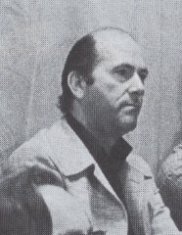
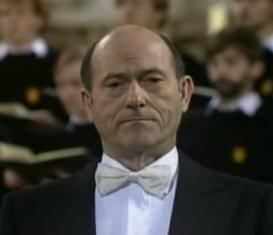
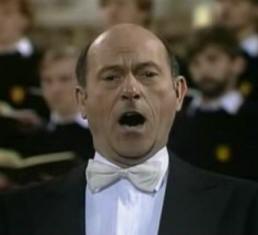
Kurt Equiluz (Tenor) |
|
Born: June 13, 1929 - Vienna, Austria
Died: June 20, 2022 - Austria |
|
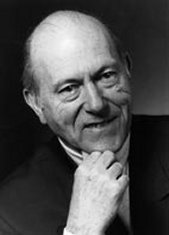
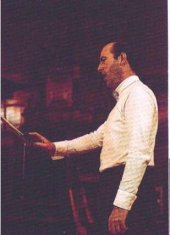
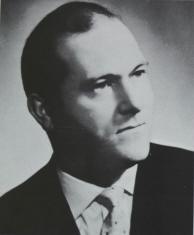
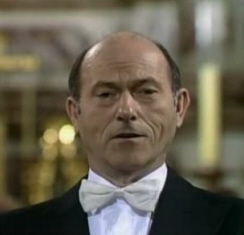
The esteemed Austrian tenor (and teacher), Kurt Equiluz, started his musical career as an alto soloist in the choir of Wiener Sängerknaben. Between 1944-1955 he studied in the Austrian State Academy for Music and Art in Vienna music theory, harp and singing, taught by Adolf Vogel. From 1945 he belonged to the famous Akademie-Kammerchor. In 1947-1948 he won the International Singing Competition in England and in 1949 the Vienna Mozart Competition.
In 1950 Kurt Equiluz was praised as a chorist, and in 1957 sang his first solo role in the Wiener Staatsoper as Pedrillo in W.A. Mozart’s opera Entführung aus dem Serail. Since then he performed successfully in Vienna the great tenor roles of the opera. In Wiener Staatsoper he appearded as Don Curzio in W.A. Mozart's Le Nozze di Figaro (154 times), Scaramuccio in Ariadne auf Naxos (123 times), Balthasar Zorn in the Meistersinger, Spoletta in Tosca, as Kaiser Altoum in Puccini’s Turandot, Monostatos in W.A. Mozart’s Die Zauberflöte, as Rossillon in Lustigen Witwe, and Rossillon in Lustigen Witwe, and many other roles, a total of 69 different parts. He belonged to the ensembles of those houses until 1983, and he could be heard one more time in 1987 in Gluck's Iphigenie in Aulis. In the Salzburger Festspielen he sang in the premiere of the opera 'Penelope' of Liebermann (1954), Mystère de la Nativité by F. Martin (1960) and Das Bergwerk zu Falun by Rudolf Wagner-Régeny (1961), 1979-1983 the part of Scaramuccio in Ariadne auf Naxos by R. Strauss, and in concerts almost every year starting in 1954.
Kurt Equiluz is one of the leading J.S. Bach interpreters of the modern era, appearing with great success on the concert stages. He started to teach in 1964, and in 1971 was appointed as Professor in Musikhochschule of Graz, and in 1982 as Professor in Wiener Musikakademie. His beautiful voice and cultured and sylistic singing embodies tenor singing of the highest order, for which he won many prizes.
Kurt Equiluz has recorded operas for Decca (Fidelio, Zauberflöte, Ariadne auf Naxos, Rosenkavalier, Salome, Tannhäuser) and Telefunken/Teldec (L'Orfeo and II Ritorno d'Ulisse in patria by Monteverdi); in the area of oratorio and sacred music he recorded for Telefunken/Teldec (Evangelist in Matthäus (BWV 244) and Johannes-Passion (BWV 245) by J.S. Bach, B minor Mass (BWV 232), J.S. Bach Cantatas, Marienvesper by Monteverdi), and for Nixa (Matthäus-Passion), Electrola (Johannes-Passion), DGG (Rappresentatione di Anima e di Corpo by Cavalieri), Philips, Vanguard, BASF, Vox, Harmonia Mundi, Pan (Alfonso und Estrella by Schubert), Christophorus-Verlag (Winterreise by Schubert) and MMS. |
|
|
|
Sources:
Operissimo (freely translated by Aryeh Oron)
Contributed by Aryeh Oron (April 2001, July 2022); Willem van Erk (June 2006) |
|
Kurt Equiluz : Short Biography | General Discussions |
|
Recordings of Bach Cantatas & Other Vocal Works |
|
Conductor |
As |
Works |
|
George Barati |
Tenor |
BWV 246 |
|
Wilfried Böttcher |
Tenor |
BWV 151 |
|
Michel Corboz |
Tenor |
BWV 244 [1st, Evangelist], BWV 245, BWV 248 |
|
Wolfgang Gönnenwein |
Tenor |
BWV 245 |
|
Ferdinand Grossmann |
Tenor |
BWV 244 |
|
Nikolaus Harnoncourt |
Tenor |
BWV 1, BWV 2, BWV 3, BWV 4, BWV 5, BWV 6, BWV 11, BWV 17, BWV 18, BWV 19, BWV 20, BWV 21, BWV 22, BWV 24, BWV 25, BWV 26, BWV 27, BWV 28, BWV 29, BWV 30, BWV 31, BWV 34, BWV 36, BWV 37, BWV 38, BWV 41, BWV 42, BWV 43, BWV 44, BWV 48, BWV 60, BWV 61, BWV 62, BWV 63, BWV 65, BWV 69, BWV 69a, BWV 70, BWV 71, BWV 76, BWV 78, BWV 80, BWV 81, BWV 83, BWV 85, BWV 86, BWV 87, BWV 93, BWV 94, BWV 95, BWV 96, BWV 97, BWV 99, BWV 101, BWV 102, BWV 104, BWV 105, BWV 108, BWV 109, BWV 110, BWV 111, BWV 112, BWV 115, BWV 116, BWV 119, BWV 120, BWV 121, BWV 122, BWV 123, BWV 124, BWV 125, BWV 126, BWV 130, BWV 131, BWV 136, BWV 137, BWV 138, BWV 139, BWV 140, BWV 145, BWV 146, BWV 147, BWV 148, BWV 153, BWV 154, BWV 155, BWV 156, BWV 161, BWV 162, BWV 163, BWV 167, BWV 168, BWV 171, BWV 173, BWV 174, BWV 177, BWV 178, BWV 179, BWV 182, BWV 183, BWV 185, BWV 186, BWV 188, BWV 194, BWV 196, BWV 205, BWV 208, BWV 211
BWV 232 (x2), BWV 243, BWV 244 [1st, Evangelist], BWV 244 [2nd, Evangelist], BWV 244 [3rd, Evangelist], BWV 245 [2-CD + Video], BWV 248
DVD: BWV 161 |
|
Diethard Hellmann |
Tenor |
BWV 103, BWV 144
[D-8] (1970): BWV 85
[CR-5] (1971, Radio recording): BWV 5
[CR-181] (Late 1960's?, Radio recording): BWV 181 |
|
Jürgen Jürgens |
Tenor |
BWV 198 |
|
Gustav Leonhardt |
Tenor |
BWV 7, BWV 8, BWV 9, BWV 10, BWV 12, BWV 13, BWV 45, BWV 46, BWV 55, BWV 66, BWV 67, BWV 73, BWV 74, BWV 88, BWV 90, BWV 91, BWV 92, BWV 98, BWV 100, BWV 103, BWV 107, BWV 113, BWV 114 [1st], BWV 117, BWV 127, BWV 128, BWV 143, BWV 144, BWV 149, BWV 150, BWV 151, BWV 157, BWV 159, BWV 164, BWV 165, BWV 166, BWV 180, BWV 181, BWV 184 |
|
Dwight Oltman |
Tenor |
BWV 245 [4th - Evangelist], BWV 249 |
|
Rudolf Pohl |
Tenor |
[C-1] (1968): BWV 106
[CR-5] (1975, Radio recording): BWV 5 |
|
Felix Prohaska |
Tenor |
BWV 4, BWV 80, BWV 140, BWV 249 |
|
Helmuth Rilling |
Tenor |
BWV 45, BWV 80, BWV 102, BWV 109, BWV 114, BWV 125, BWV 132, BWV 136, BWV 146, BWV 147, BWV 148, BWV 156, BWV 162, BWV 165, BWV 178, BWV 179, BWV 181, BWV 186, BWV 190, BWV 206, BWV 243a |
|
Rudolf Scholz |
Tenor |
[C-3] (2009): BWV 56
[C-5] (2011): BWV 159 |
|
Hermann Sherchen |
Tenor |
BWV 244 |
|
Jaap Schröder |
Tenor |
BWV 27, BWV 90, BWV 161 |
|
Hans Swarowsky |
Tenor |
BWV 244, BWV 248 |
|
Hendrik Timmerman |
Tenor |
BWV 244 [1st] |
|
Helmut Winschermann |
Tenor |
BWV 74, BWV 128, BWV 134, BWV 147, BWV 173, BWV 191 |
|
Charles de Wolff |
Tenor |
BWV 244 |
|
Links to other Sites |
| |
|
|