|
|
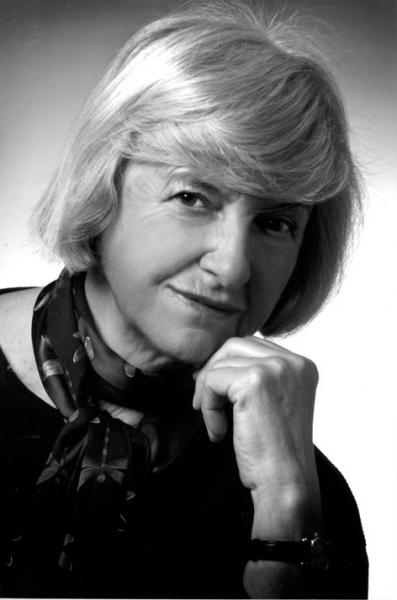
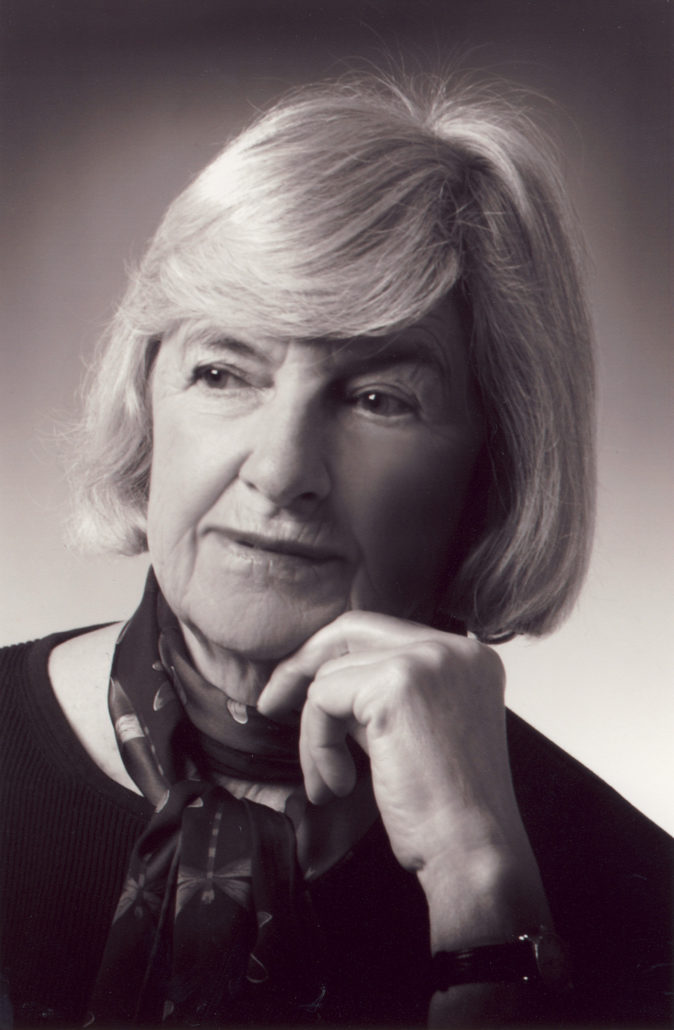
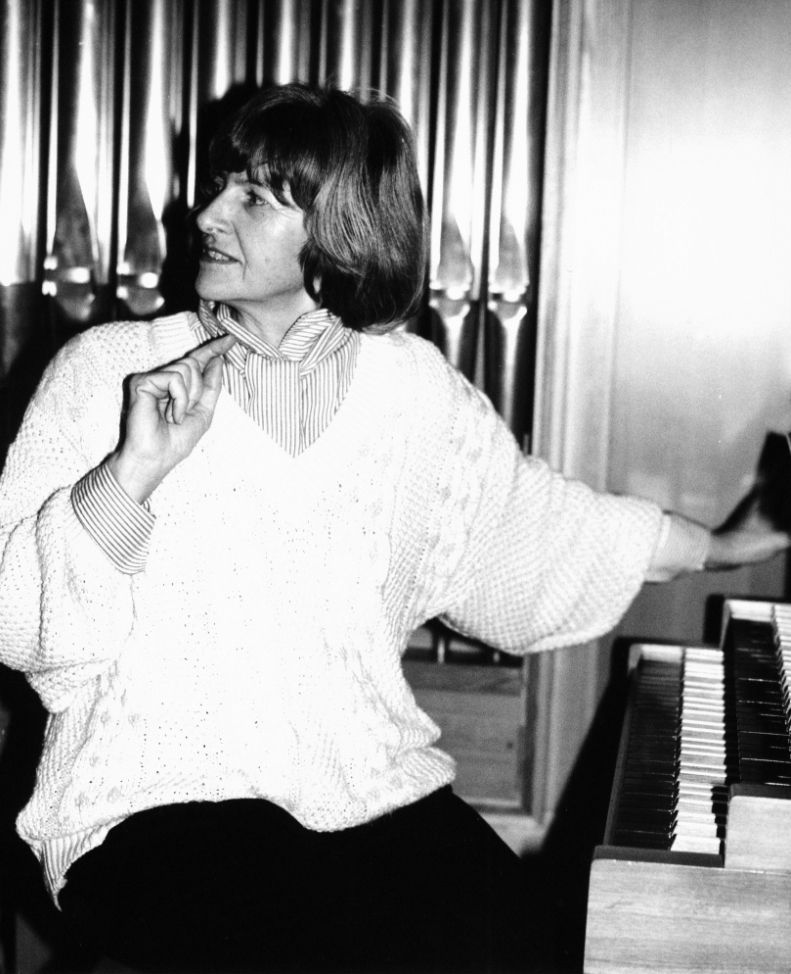
Hedwig Bilgram (Organ, Harpsichord) |
|
Born: March 31, 1933 - Memmingen, Swabia, Bavaria, Germany |
|
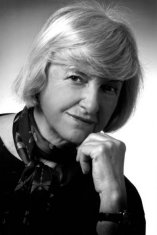
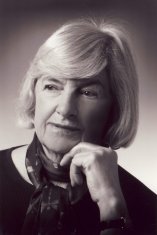
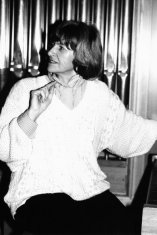
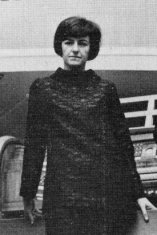
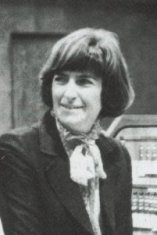
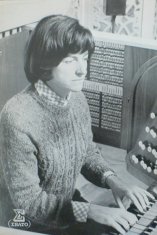
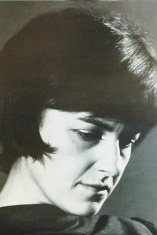
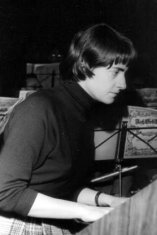
The German organist and harpsichordist, Hedwig Bilgram, received early music lessons from Thilde Kraushaar, one of Schmid-Lindner's master students. She attended the six-year secondary school for girls in Memmingen (now the Vöhlin Gymnasium), and graduated from the Bernhard-Strigel-Gymnasium. She continued her studies at the Hochschule für Musik und Theater München, piano under Friedrich Wührer as well as organ with Karl Karl Richter. In 1956, she won 1st Prize in organ at the Competition of German Universities, followed in 1959 by 1st Prize for organ at the Internationalen Musikwettbewerb der ARD of the Federal Republic of Germany in Munich.
For years under the direction of Karl Richter Hedwig Bilgram played Continuo (organ and the harpsichord) at the Passion, Oratorio and Cantata performances and recordings of the Münchener Bach-Chor and Münchener Bach-Orchester. She also played played in many concerts with other renowned conductors such as Leonard Bernstein, Herbert von Karajan, Diethard Hellmann, and Rudolf Kempe. In 1971, during the Albrecht-Duerer-year in the city of Nürnberg, she was granted the honour of premiering Harald Genzmer's Concerto for Organ and Orchestra. Her continuo style directly followed Karl Richter's understanding, who considered the basso continuo the foundation of Baroque composition. According to the latest research, this practice corresponds more closely to actual historical realities than a merely chordal and barely perceptible veil of sound from the basso continuo instruments.
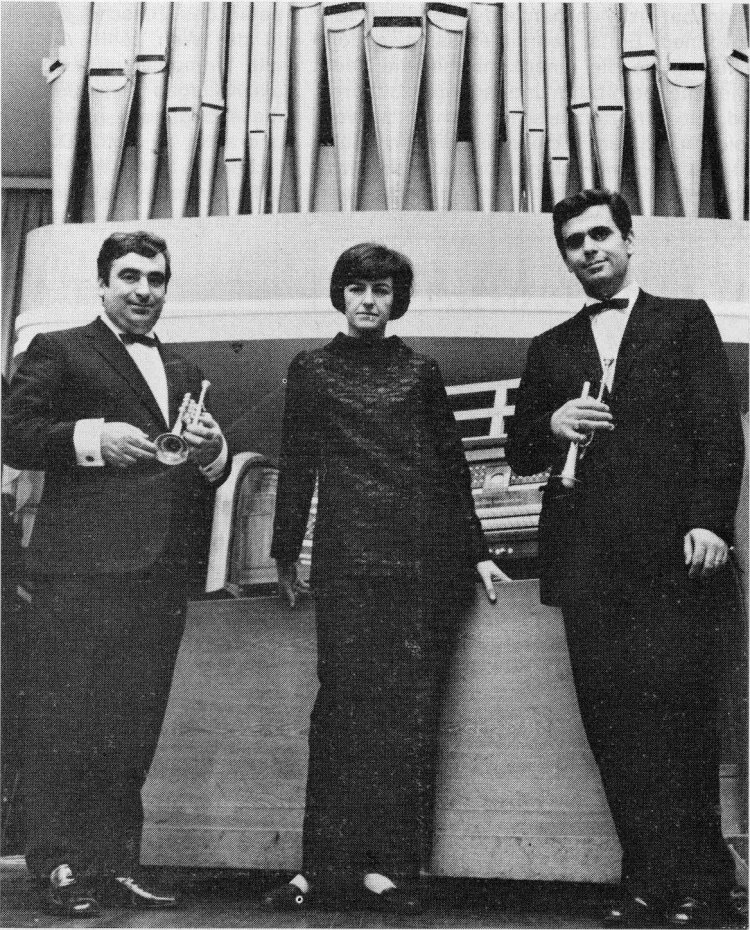
Her very substantial concert experience, both as a soloist and as a chamber musician, with artists like Paul Meisen, Maurice André, Jean-Pierre Rampal, have led Hedwig Bilgram through many countries in Europe, the USA, Canada, Japan and Russia. Since 1990, she has been a member of the Berlin Haydn Ensemble, which was founded by Hansjörg Schellenberger and consists mostly of members of the Berliner Philharmoniker. In addition, she is often a guest soloist with the Bach Collegium Munich. In more recent times, she has turned her interest to the hammer piano as a soloist and also in chamber music societies with alternating members.
From 1961 to 1998, Hedwig Bilgram taught organ at the Hochschule für Musik und Theater München, and from 1964 also harpsichord as a full professor. Among the musicians who have studied with her and/or attended her master-classes: Helga Ingólfsdóttir (Harpsichord), Lionel Party (Harpsichord), Christoph Emanuel Seitz (Choral Conductor, Organ), Miklós Spányi (Organ, Harposichord, Piano).
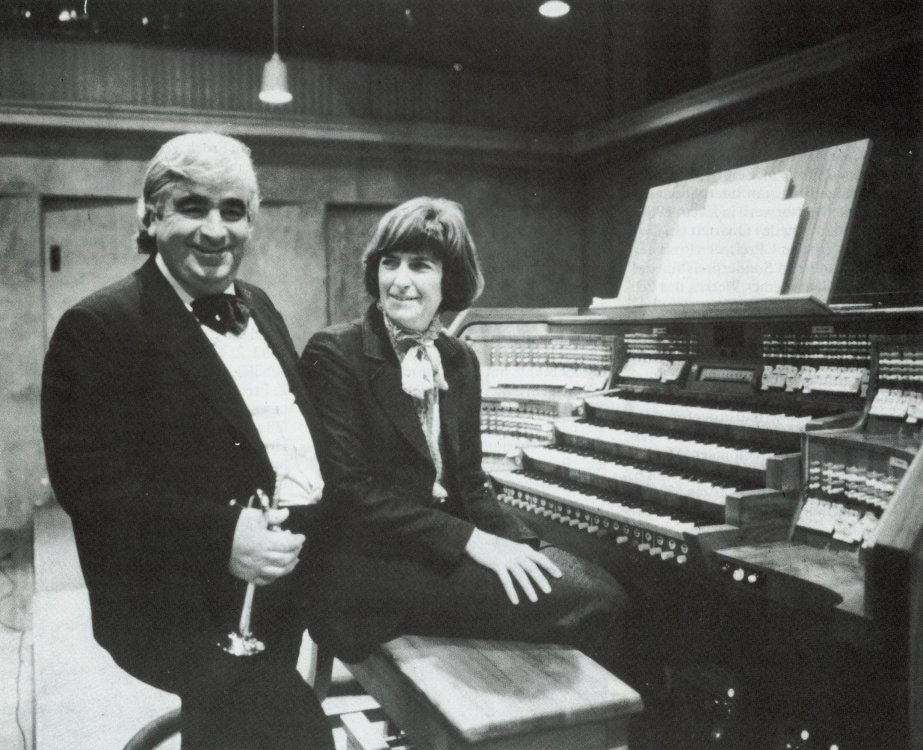
Hedwig Bilgram made numerous LP and CD recordings. Her fortepiano recordings were released by Cavalli Records. Her concert series with trumpeter Maurice André are particularly well-known . |
|
|
|
Sources:
German Wikipedia Website (June 2025), English translation by Aryeh Oron (June 2026)
Bits & pieces from other sources
Contributed by Walter Roth (June 2026) |
|
Hedwig Bilgram : Short Biography | Bach Discography: Recordings of Instrumental Works |
|
Recordings of Bach Cantatas & Other Vocal Works |
|
Conductor |
As |
Works |
|
Karl Richter |
Harpsichord Continuo |
[E-4] (1968, LP): BWV 160 |
|
Karl Richter |
Organ, Harpsichord |
Member of Bayerisches Staatsorchester:
[E-6] (1957, LP): BWV 79
[E-2] (1958, LP/CD/MP3): BWV 67, BWV 108, BWV 127
[E-3] (1958, LP/CD): BWV 4 |
|
Karl Richter |
Organ, Harpsichord |
Member of Münchener Bach-Orchester:
[C-1] (1967-1972, 4-CD): CD-1: BWV 61, BWV 132, BWV 63; CD-2: BWV 121, BWV 64, BWV 28, BWV 171; CD-3: BWV 58, BWV 65, BWV 124, BWV 13; CD-4: BWV 111, BWV 81, BWV 82
[C-2] (1967-1975, 5-CD): CD-1: BWV 92, BWV 126, BWV 23; CD-2: BWV 1, BWV 182; CD-3: BWV 4, BWV 6, BWV 158, BWV 67; CD-4: BWV 104, BWV 12; CD-5: BWV 108, BWV 87
[C-3] (1961-1975, 6-CD): CD-1: BWV 11, BWV 44, BWV 34; CD-2: BWV 68, BWV 175, BWV 129; CD-3: BWV 39, BWV 76, BWV 135; CD-4: BWV 21, BWV 24; CD-5: BWV 30, BWV 93; CD-6: BWV 147, BWV 10
[C-4] (1959-1978, 6-CD): CD-1: Cantatas BWV 9, BWV 187, BWV 178; CD-2: BWV 45, BWV 105, BWV 102; CD-3: BWV 199, BWV 179, BWV 137; CD-4: BWV 33, BWV 78, BWV 17; CD-5: BWV 51, BWV 100, BWV 27; CD-6: BWV 8, BWV 148
[C-5] (1959-1978, 5-CD): CD-1: BWV 96, BWV 5, BWV 56; CD-2: BWV 180, BWV 38, BWV 55; CD-3: BWV 115, BWV 139, BWV 60, BWV 26; CD-4: BWV 116, BWV 70, BWV 140; CD-5: BWV 130, BWV 80, BWV 106
[CL-1] (1959, MP3): BWV 51, BWV 202
[V-20] (1957, 2-CD): BWV 244 [1st recording]
[V-7] (1958, 3-CD): BWV 244 [2n recording]
[V-9] (1969, 3-CD): BWV 244 [4th recording]
[V-10] (1971, 2-DVD): BWV 244 [5th recording]
[V-21] (1957, 2-CD): BWV 245 [1st recording]
[V-12] (1964, 2-CD): BWV 245 [2nd recording] |
|
Ernst Haefliger [Ten] |
Organ |
[V-1] (1974, LP): BWV 440, BWV 441, BWV 445, BWV 446, BWV 447, BWV 451, BWV 452, BWV 458, BWV 462, BWV 466, BWV 469, BWV 476, BWV 481, BWV 482, BWV 487, BWV 493, BWV 500, BWV 590, BWV 641, BWV 629 |
|
Elisabeth Speiser [Sop] |
Organ Continuo |
[V-01] (1974, LP): w/ Elisabeth Speiser (Soprano): BWV 452, BWV 469, BWV 493, BWV 446, BWV 500, BWV 512, BWV 462, BWV 484 , BWV 505, BWV 501, BWV 478, BWV 517; w/ Peter Schreier (Tenor): BWV 453, BWV 476, BWV 507, BWV 450 BWV 479, BWV 459, BWV 451, , BWV 444, BWV 461, BWV 439, BWV 480, BWV 503 |
|
Links to other Sites |
|
Hedwig Bilgram (Wikipedia) [German]
Hedwig Bilgram (Grokipedia) |
|
|