|
|
Bach Festivals & Cantata Series
Bach Biennale Weimar |
|
Name: |
Bach Biennale Weimar |
|
Location: |
Weimar, Thurnigia, Germany |
|
Venues: |
The Bach Biennale Weimar holds its concerts and events at various historical and authentic venues across the UNESCO World Heritage city of Weimar. The festival's principal venues include:
The Residenzschloss Weimar (also known as the Stadtschloss or City Castle): A historic palace and a key component of the UNESCO World Heritage Site "Classical Weimar". It served for centuries as the opulent seat of the Dukes and Grand Dukes of Saxe-Weimar and Eisenach.
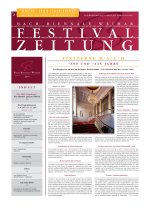
Gentz Staircase (Gentzsches Treppenhaus): The grand, Neoclassical centerpiece of the Weimar City Palace (Stadtschloss). Designed by architect Heinrich Gentz and completed in 1804, this masterpiece of European architectural history transitions visitors from a dark ground floor into a stunning, light-filled upper level.
Wittumspalais: A historic Baroque palace renowned as the long-time residence of Duchess Anna Amalia. Built between 1767 and 1769, it served as a lively cultural hub and intellectual salon where Enlightenment luminaries like Goethe and Schiller convened, and is today a UNESCO World Heritage Site.
Schloss Belvedere: A stunning Baroque summer residence and UNESCO World Heritage Site located just south of Weimar. Built between 1724 and 1748 for Duke Ernst August, the yellow Rococo palace is famous for its extensive 43-hectare park, historic Orangery, and rich decorative art collections.
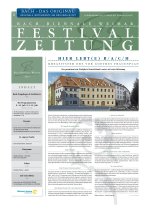
Hotel Elephant Weimar (Lichtsaal): An elegant, historic hall used for recitals, discussion-concerts, and the weekly Klang|Pause events located steps away from J.S. Bach's former residence.
Schießhaus Weimar: Commissioned by Goethe, this beautiful 1805 ballroom is a focal point for Baroque festivities and larger ensemble performances.
Stadtkirche St. Peter und Paul (Herderkirche): The primary city church where J.S. Bach frequently performed and premiered cantatas during his tenure in Weimar.
Jakobskirche: A Baroque church built in 1713 during the height of J.S. Bach's time in the city, offering excellent acoustics for historical instrument performances.
Haus der Weimarer Republik: An important historic site that frequently hosts dialogue-concerts and unconventional musical formats.
Park an der Ilm: Used for open-air, walking, and promenade concerts during the summer. |
|
Years: |
Since 2008 (Biennial Festival) |
|
Months: |
July |
|
Artistic Director: |
Myriam Eichberger, Bernhard Klapprott
Presented by "Bach in Weimar" e.V.
Patron of the Festival: Nikolaus Harnoncourt |
|
Ensembles: |
The Bach Biennale Weimar does not have a single fixed, resident orchestra; rather, it curates its performing ensembles. The festival relies on a shifting roster of renowned international early music specialists, period-instrument orchestras, and its own affiliated young artists program.
The ensembles and artists that frequently perform or collaborate with the festival span the early music and baroque scenes:
JUNIZEBB: The "Young International Centre for Bach and Baroque Music" (JUNIZEBB) regularly organizes chamber, vocal, and instrumental ensembles consisting of emerging musicians for the festival's events and the year-round Klang|Pause concert series.
Weimar Baroque: A resident period-instrument ensemble that formed in Weimar, consisting of students and alumni from the Hochschule für Musik Franz Liszt. They serve as both orchestral performers and festival collaborators.
Visiting European Orchestras & Consorts: The Biennale frequently hosts established international Baroque ensembles. Past performers include guest collectives and specialized players such as Capella Jenensis and Ensemble 1684.
Vocal & Chamber Consorts: During master-classes and festival events like MusicMosaic, the festival features specially formed madrigal choirs, solo voice ensembles, and period-instrument consorts focused on historically informed performance. |
|
Website: |
Bach Biennale Weimar |
|
History & Mission: |
The Bach Biennale Weimar is a biennial music festival in Thuringia, Germany, dedicated to performing the works of J.S. Bach and his sons on historic period instruments at original Bach locations in Weimar. Its mission is to celebrate J.S. Bach's legacy in his most creative professional environment and to turn his only precisely identified, authentic living and working space (Markt 16 in Weimar) into a vibrant cultural hub.
History
Launch: The festival was established in 2008 by the Bach in Weimar initiative to align with major 300-year historical anniversaries of Weimar and his family.
The Context of Weimar: J.S. Bach spent some of his most defining and productive years in Weimar (1708-1717). While residing there, he served as court organist and concertmaster, writing more than 30 cantatas, early versions of the Brandenburg Concertos, and the majority of his immortal organ works.
The Historic Site: The J.S. Bach authentic historic residence on the Weimar market square was destroyed in World War II. This residence with its partly preserved underground Renaissance vault on Weimar's central market square is the single world-wide location of the composer's living- and work-space that can be precisely identified. Only this location worldwide conveys authentically: at this place Weimar did compose. This genius loci is a cultural treasure. The chance to be able to use this space in an innovative manner, musically and culturally, started a chain of events in 2002, wishing to emphasis J.S. Bach's presence in Weimar and the adequate presentation and appreciation of J.S. Bach's work in Weimar. The long-term architectural goal of the festival's organizers is to rebuild this site into "BachWelt Weimar," a living center dedicated to keeping his cultural heritage alive.
Mission and Core Goals
Period-Accurate Performances: The festival is committed to performing J.S. Bach's masterpieces on authentic period instruments at original historical locations where the composer lived and worked.
Reconstructing the "Genius Loci": A primary mission of the organization is to reconstruct J.S. Bach's only globally identifiable residence and workspace, transforming the currently excavated site into an interactive meeting place for global musical heritage.
Educational and Community Focus: Through its extensive programming, the Biennale seeks to promote international understanding and peace while revitalizing J.S. Bach's presence in Weimar's classical cultural landscape alongside literary icons like Goethe and Schiller. |
|
Recent Festivals: |
1st Festival: Jul 11-13, 2008
2nd Festival: Jul 4-11, 2010
3rd Festival: Jul 9-15, 2012
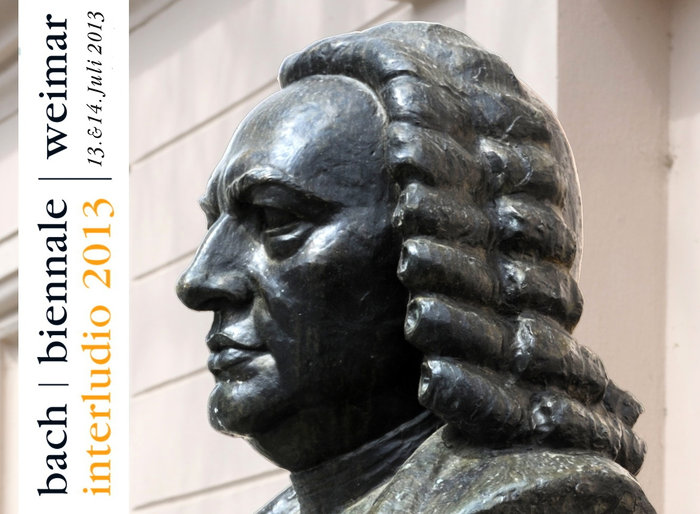
Interlude: Jul 13-14, 2013
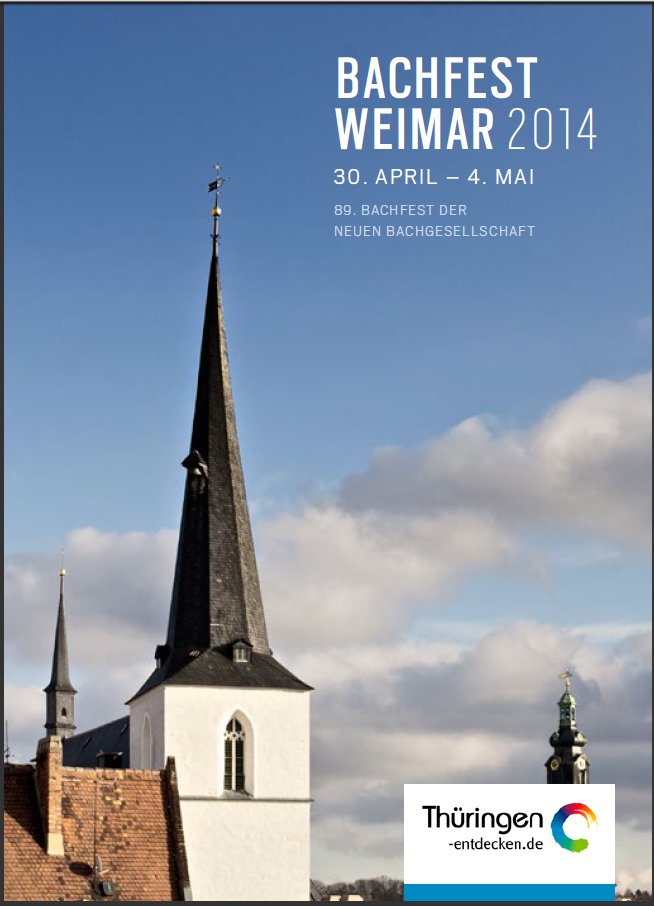
4th Festival: Apr 30-May 4, 2014
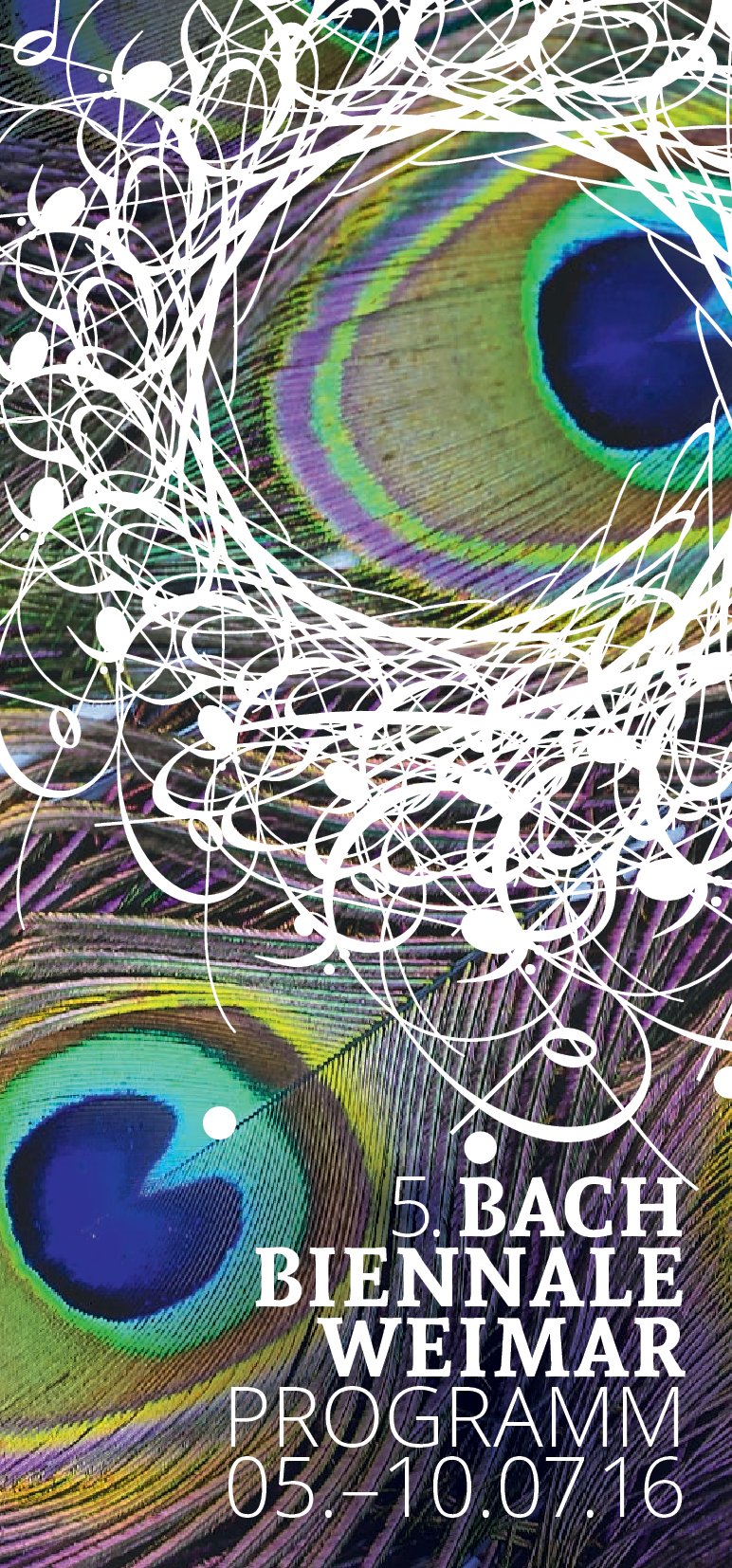
5th Festival: Jul 8-17, 2016
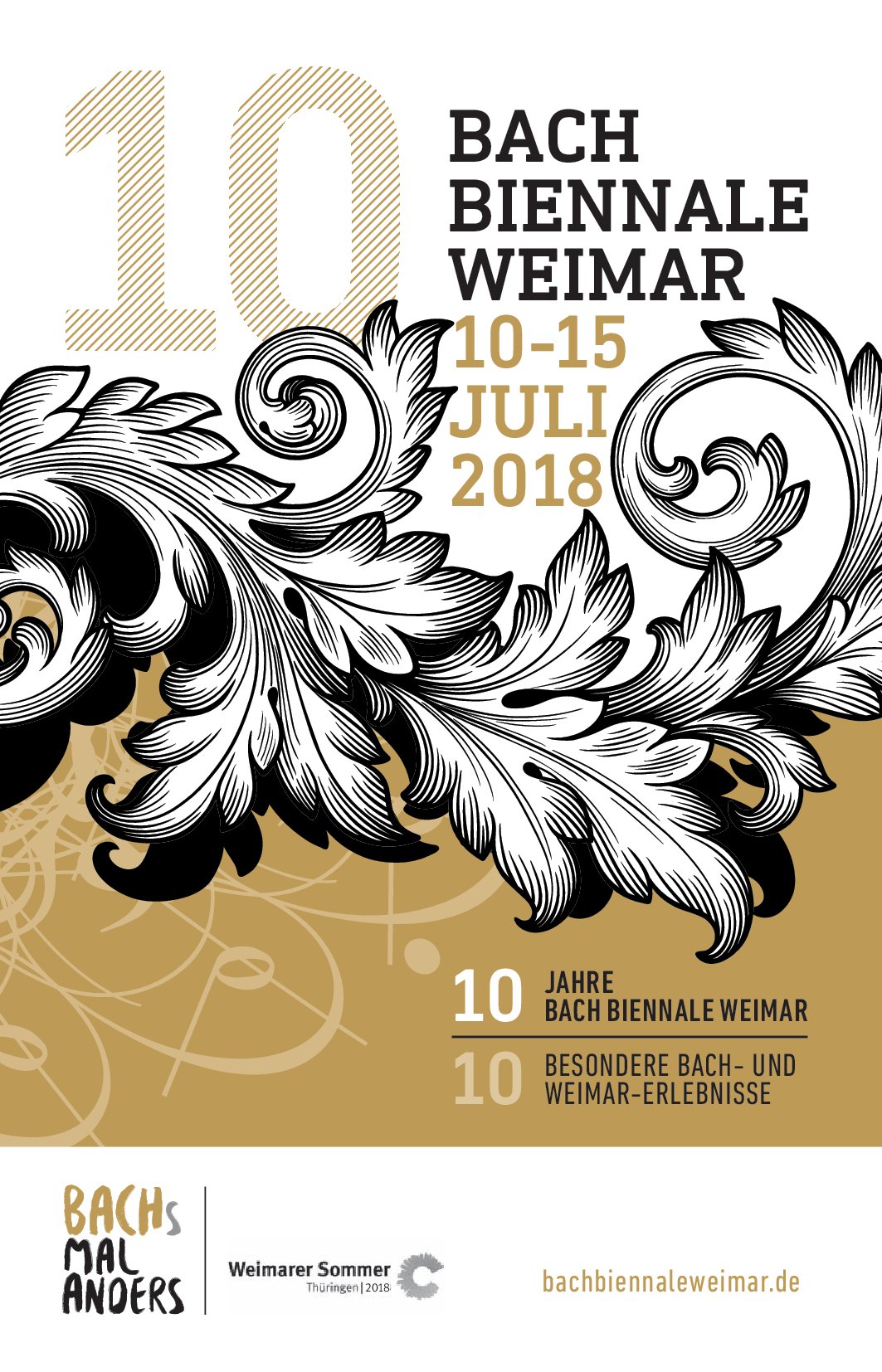
6th Festival: Jul 10-15, 2018
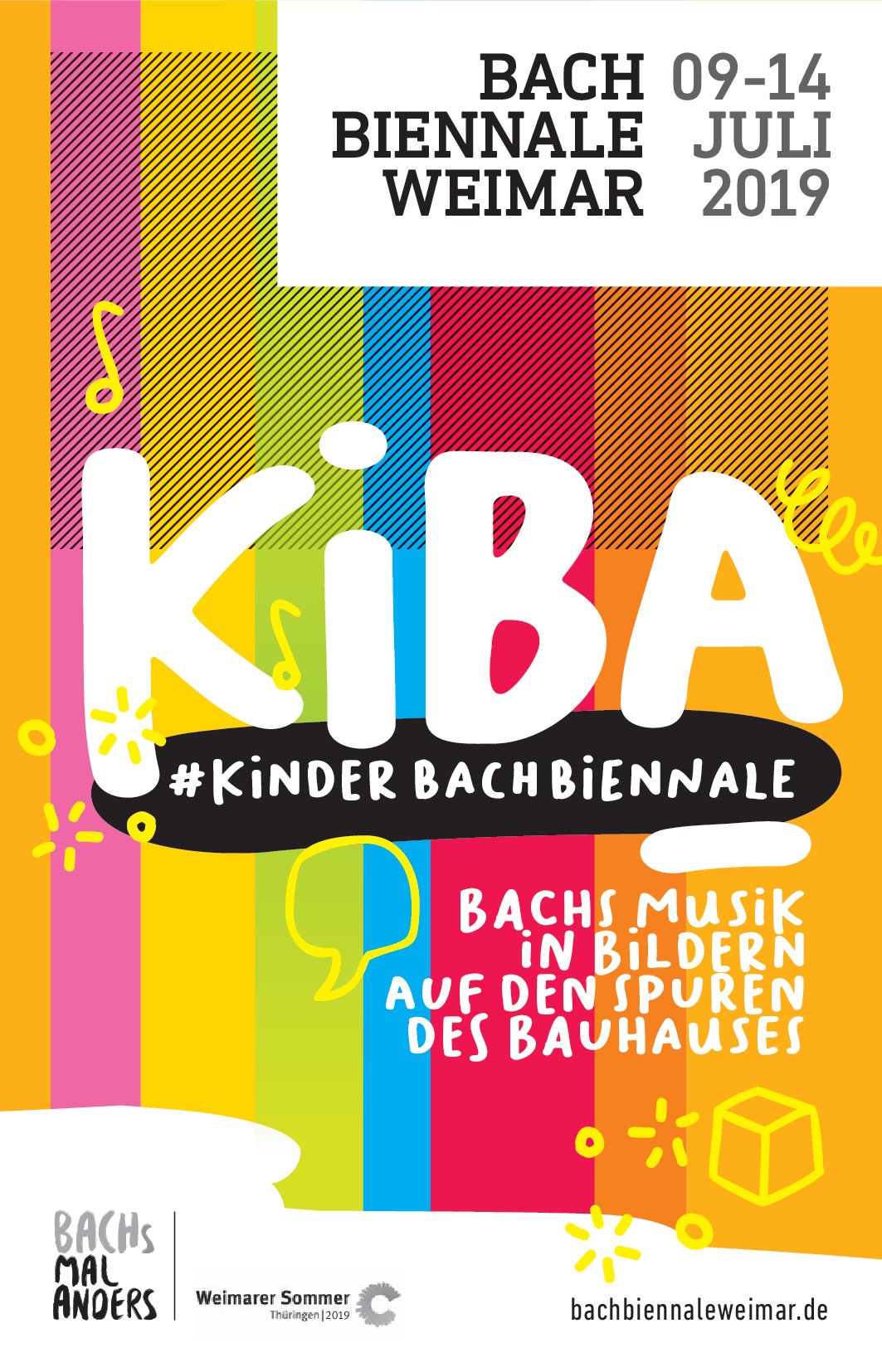
7th Festival: Jul 9-14, 2019
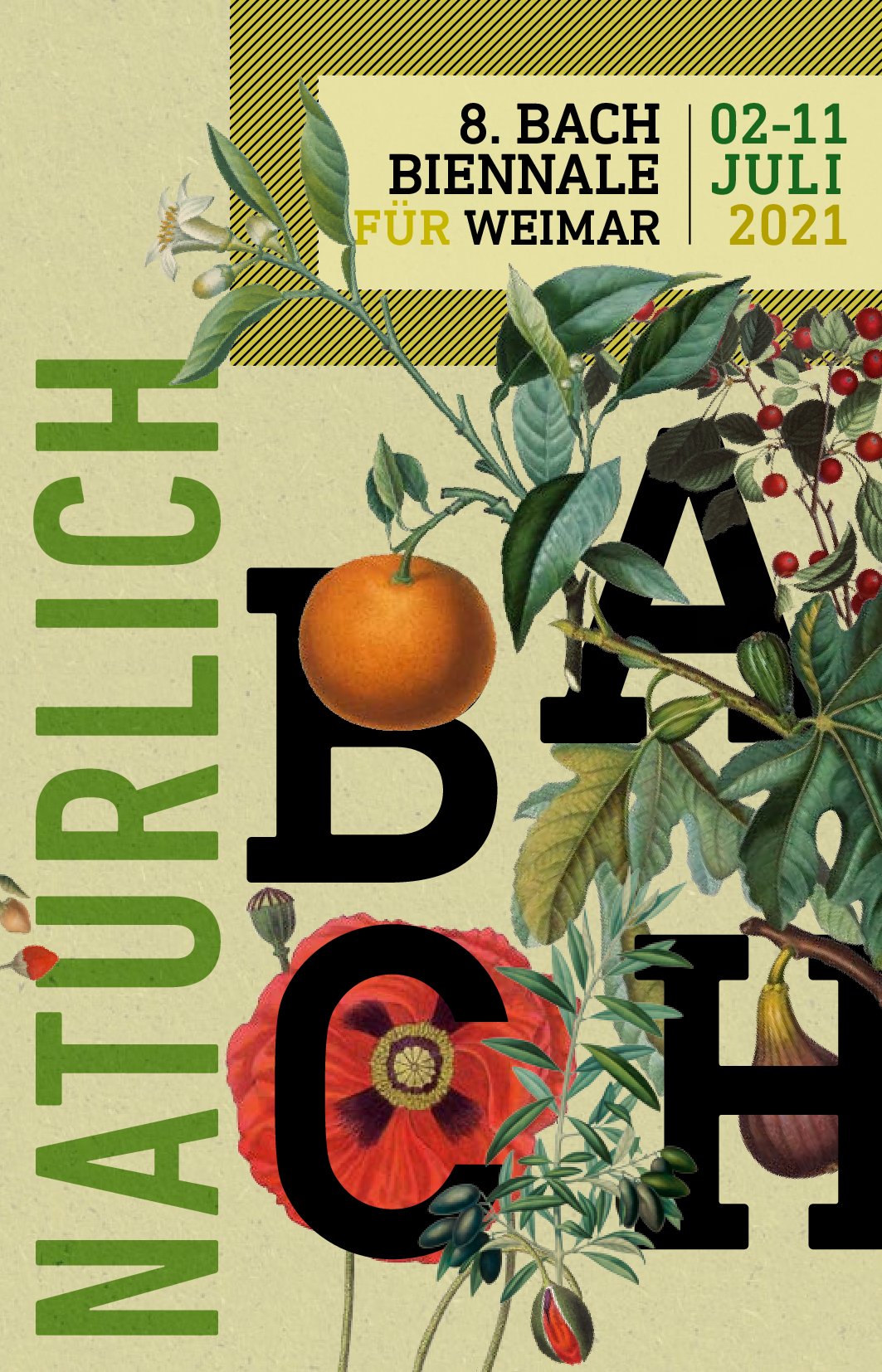
8th Festival: Jul 2-11, 2021
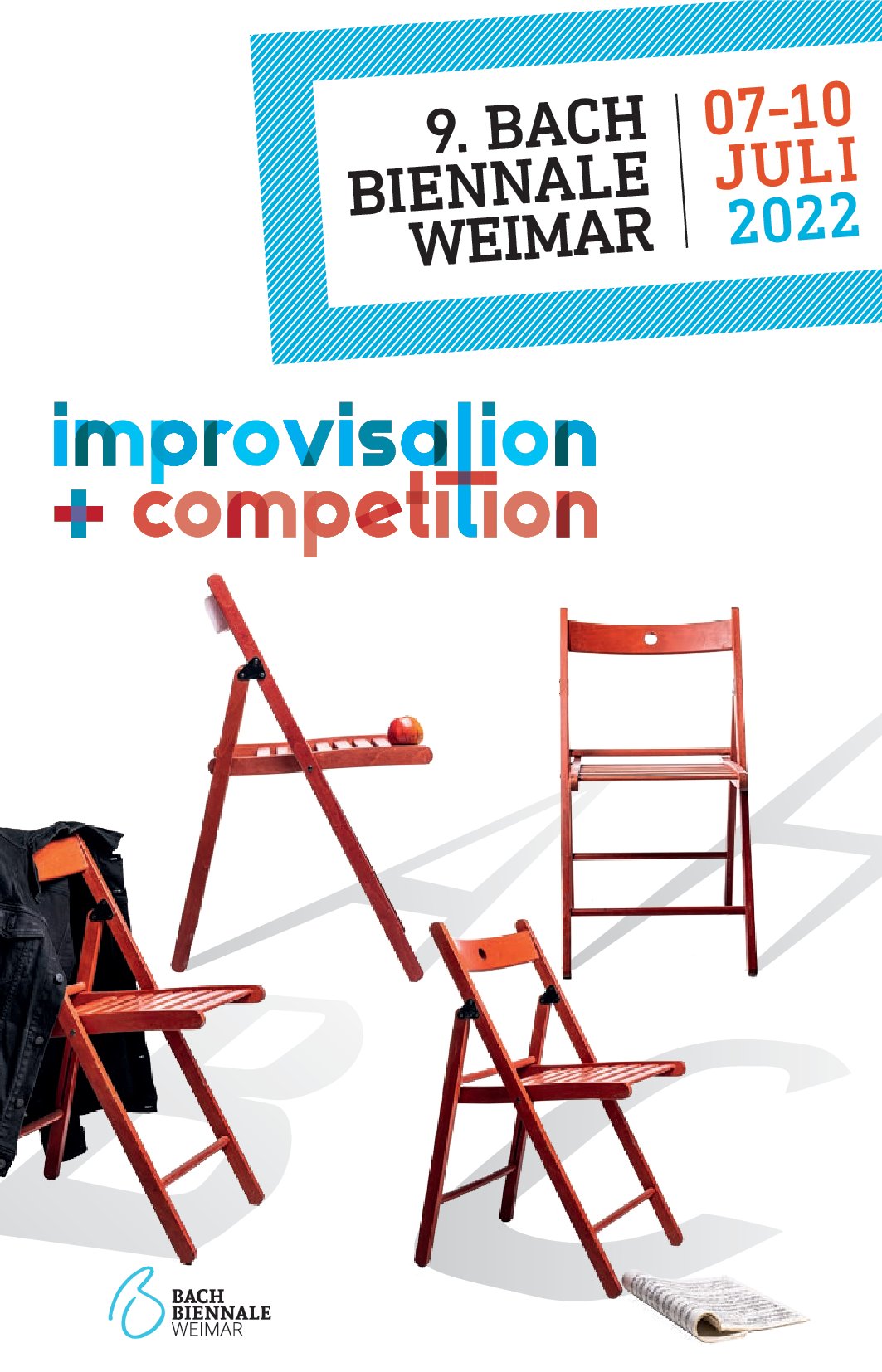
9th Festival: Jul 7-10, 2022
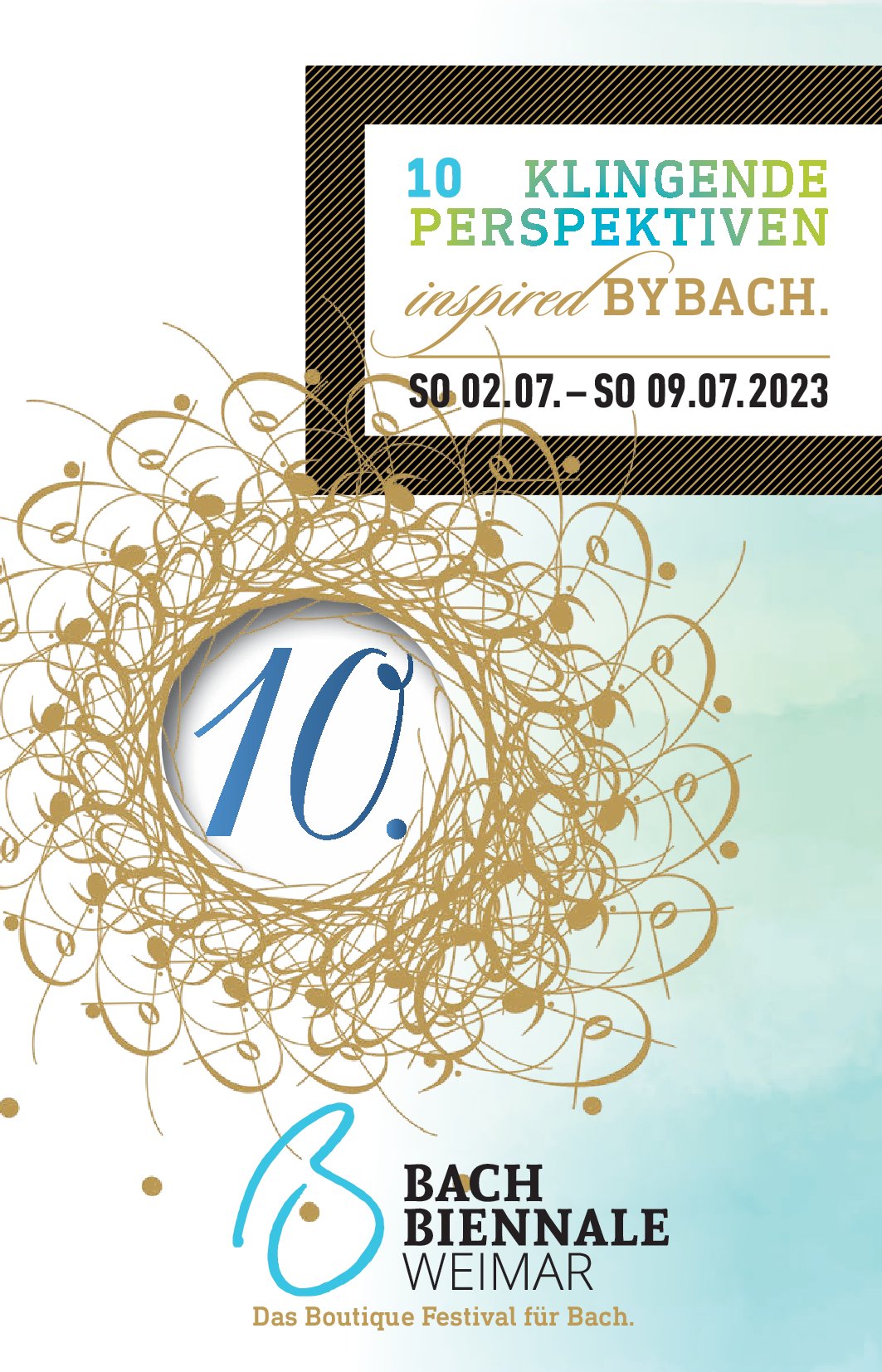
10th Festival: Jul 2-9, 2023 |
11th Festival: Jul 8-23, 2025 |
|
Logo: |

 |
|
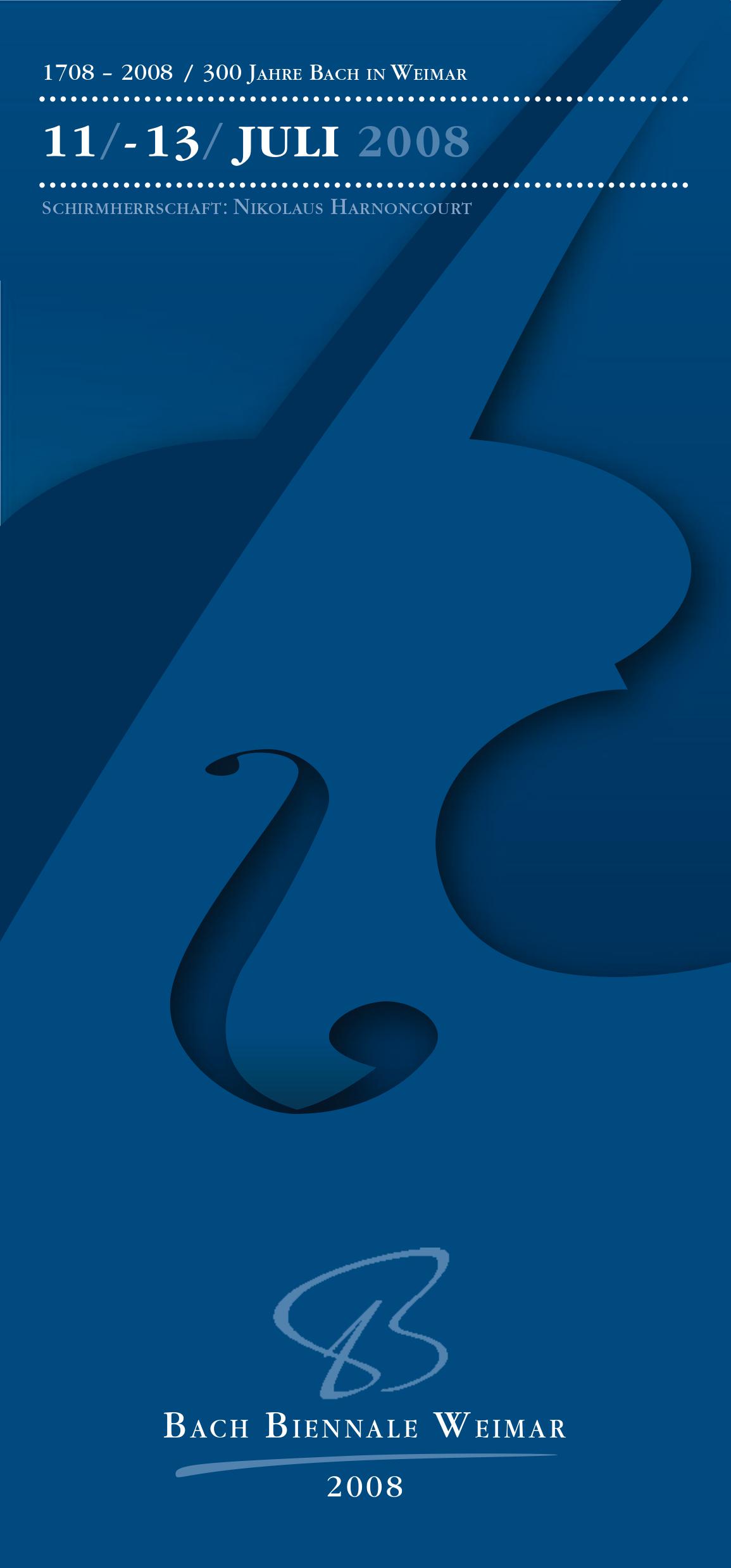
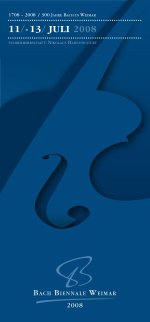
1st Festival - 2008
"300 Years of Bach in Weimar" |
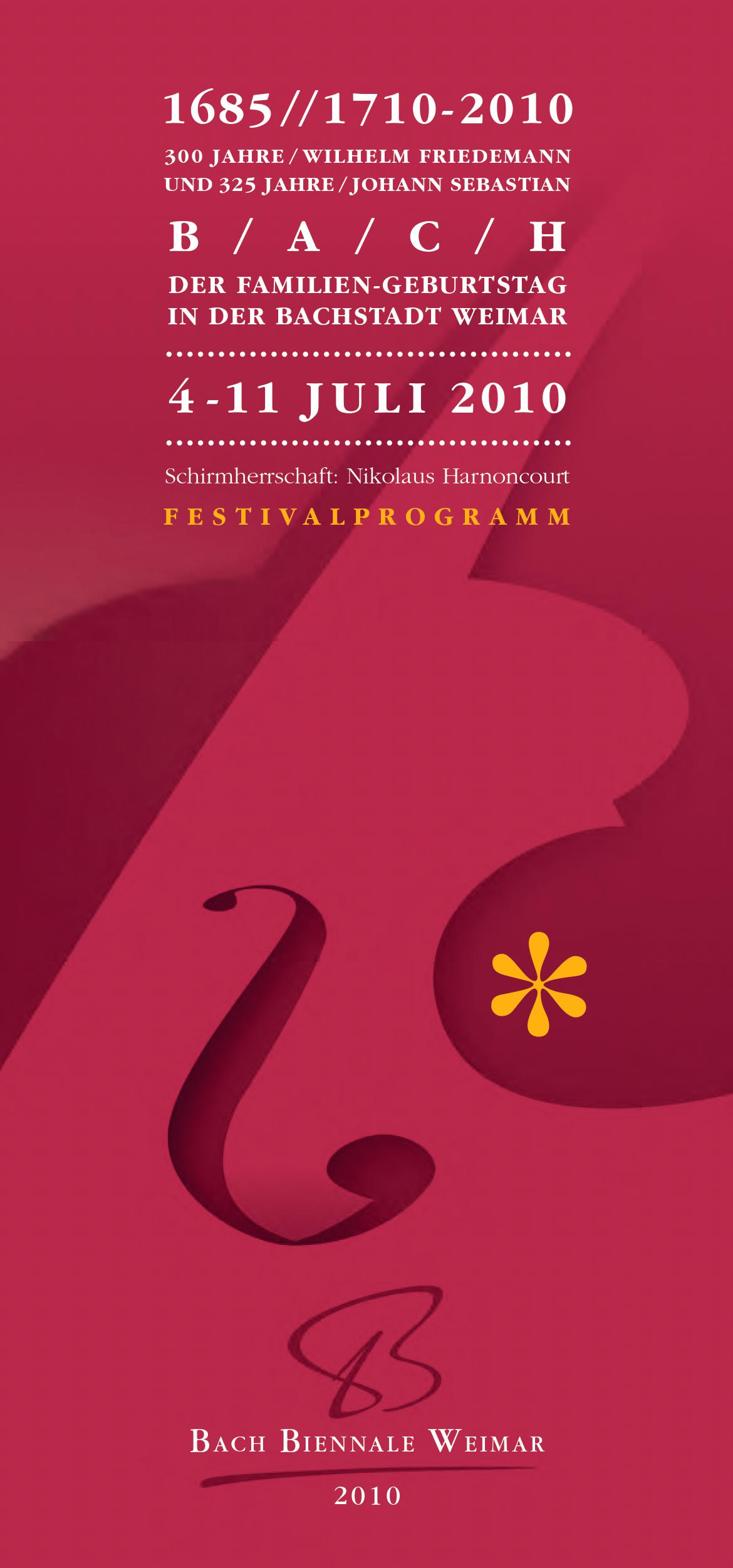
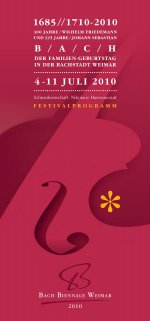
2nd Festival - 2010
"Vater und Sohn gemeinsam feiern" |
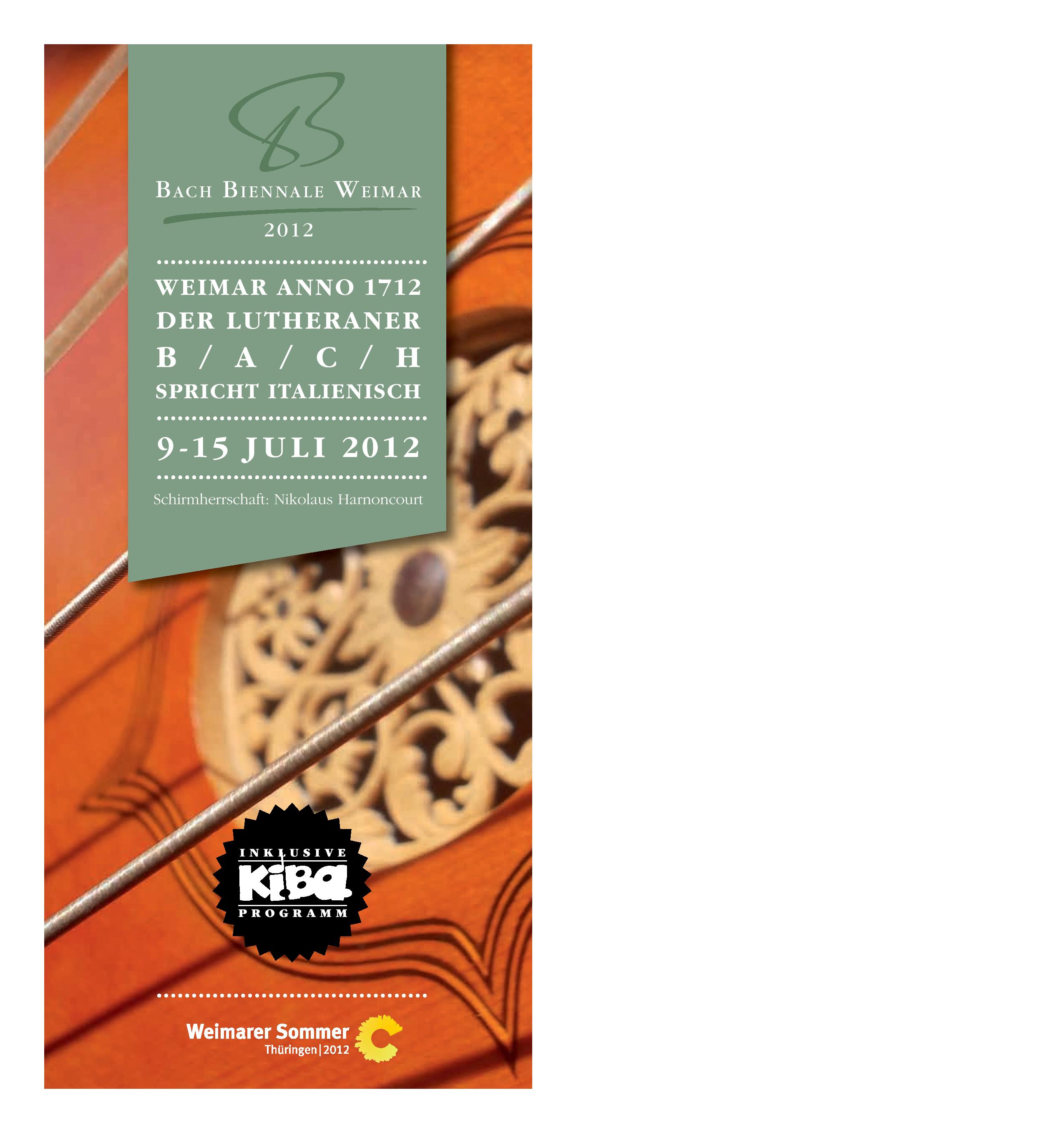
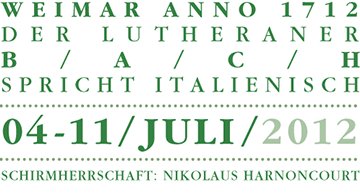
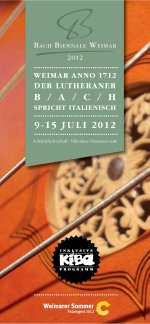
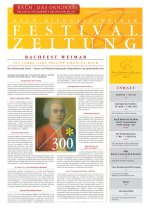
3rd Festival - 2012
"Weimar Anno 1712 - Der Lutheraner Bach spricht Italienisch" |
Interlude 2013 |
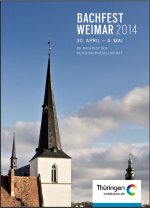
4th Festival - 2014
"Bach - ein rauschendes Fest" |
 |
 |
 |
 |
 |
 |
|
|
|
|
|
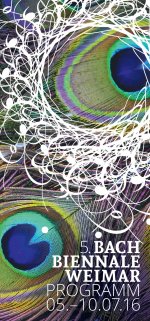
5th Festival - 2016
"Wohnen mit Bach - Paul Klee" |
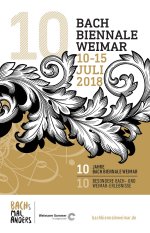
6th Festival - 2018
"Besondere Bach- und Weimar-Erlebnisse" |
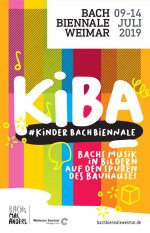
7th Festival - 2019
"Bachs Musik in Bildern auf den Spuren des Bauhauses" |
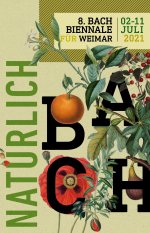
8th Festival - 2021
"Bach Natürlich" |
9th Festival - 2022
"Improvisation + Competition" |
 |
|
|
|

|
|
|
|
|
|
|
|
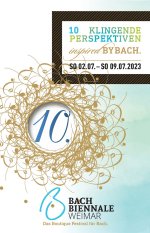
10th Festival - 2023
"10 Klingende Perspektiven inspired by Bachs" |
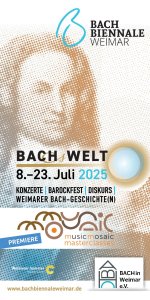
11th Festival - 2025
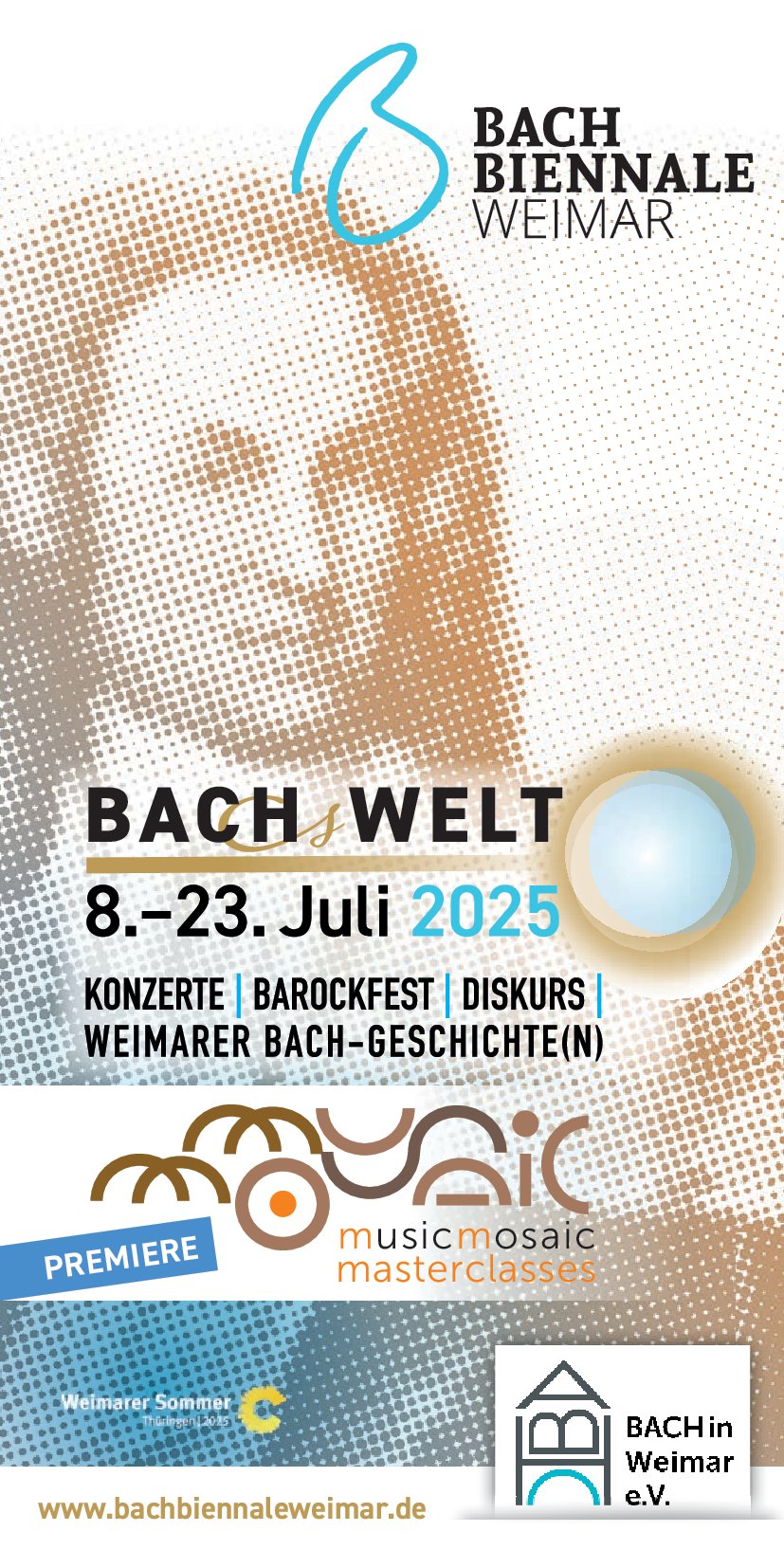
"Bach Welt" |
|
|
|
|
|
|
|
|
|
|
|
|
|
|
|
1st Festival - 2008 |
2nd Festival - 2010 |
3rd Festival - 2012 |
4th Festival - 2014 |
|
 |
 |
 |
 |
|
|
1st Festival - 2008 |
2nd Festival - 2010 |
3rd Festival - 2012 |
4th Festival - 2014 |
|
|
|
|
|
|
|
Source: Bach Biennale Weimar Website; Johanna Gross - Bach Biennale Weimar (November 2009) |
|
Prepared by Aryeh Oron (November 2009 - May 2026) |
|
|