|
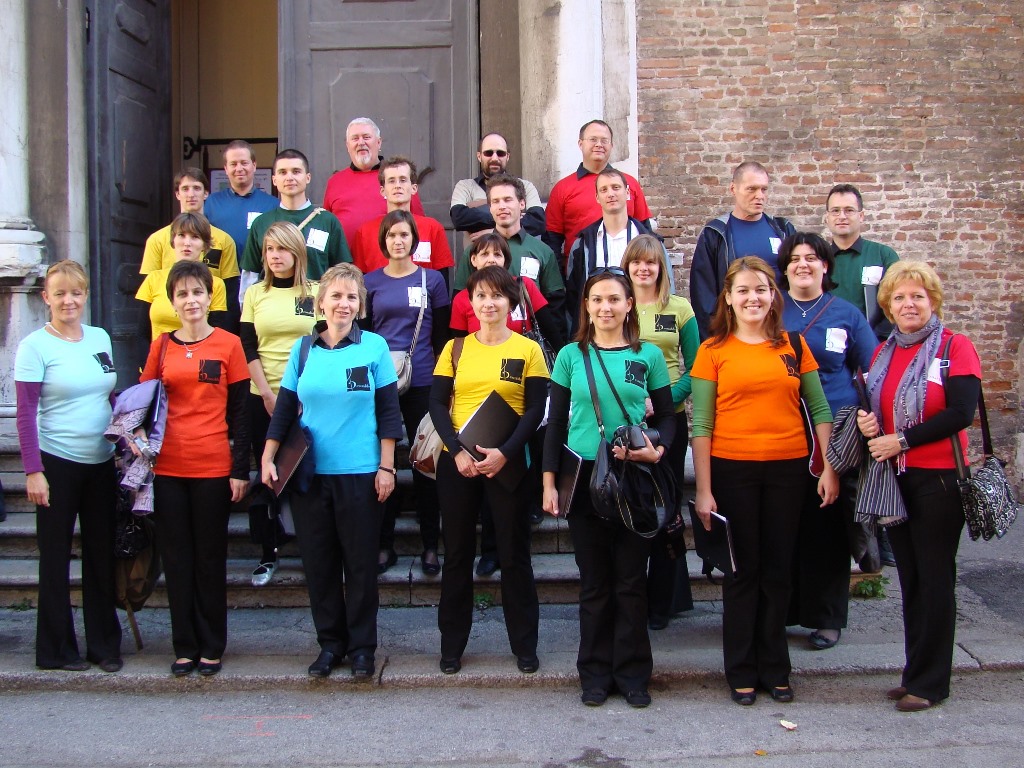
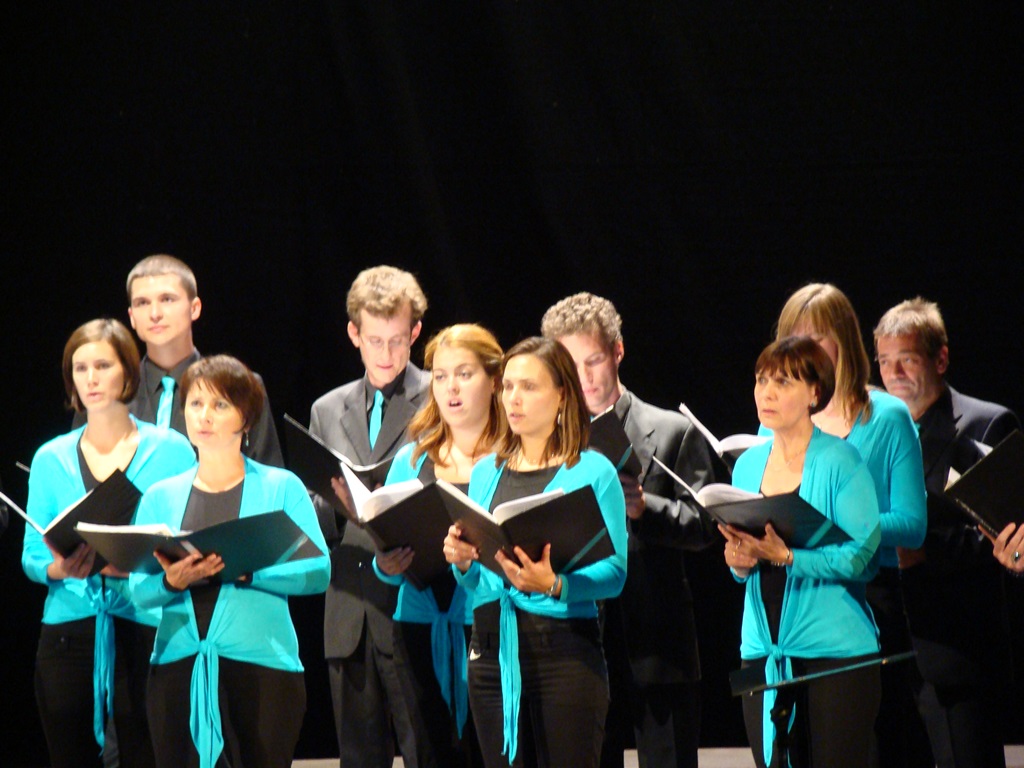
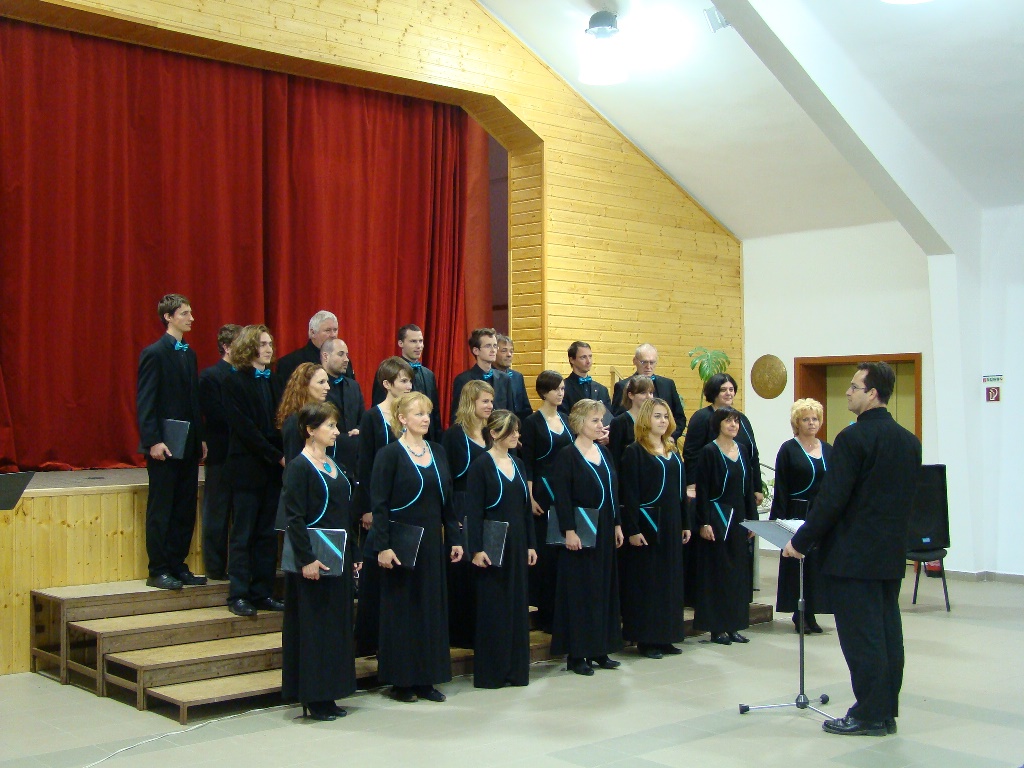
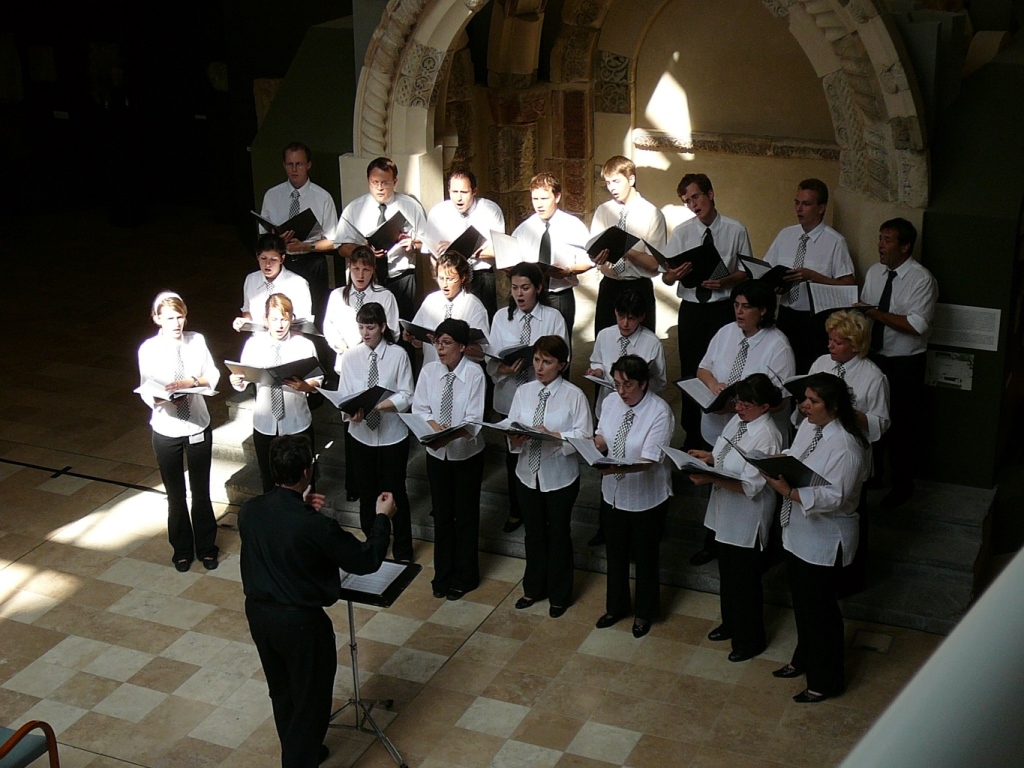
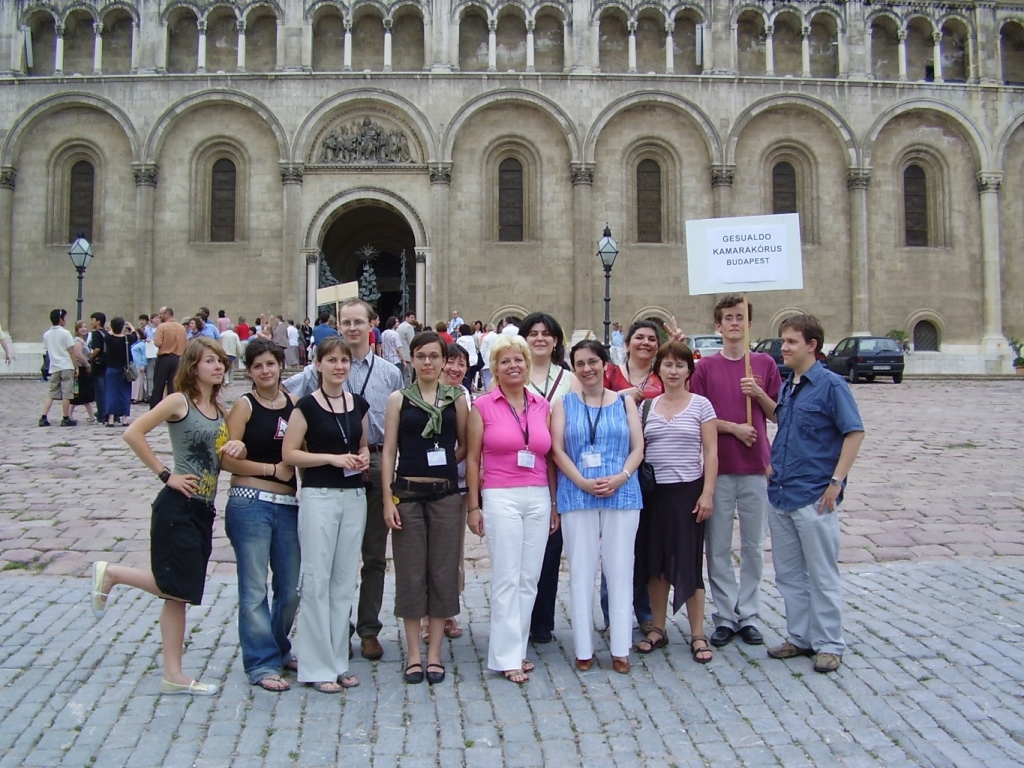
The Gesualdo Kamarakórus (Gesualdo Chamber Choir) was founded in 2000 by conductor András Stimecz. The Choir has 25 members. Their repertoire mainly consists of choral works of the renaissance, and of 20th century, and contemporary pieces in Hungarian, English, Latin, Italian, French, and German.
After acquiring the graduation "festival choir" (Budapest, 2003), the Gesualdo Kamarakórus won a second award on III. Kodály Zoltán Choir Competition (Hungary, 2003), a silver diploma on IV. Kodály Zoltán Choir Competition (Hungary, 2006) and 4th place of the Rimini International Choir competition (Rimini, 2011). The Choir hase acquired the graduation "concert choir" (the highest obtainable grade in Hungary) in October, 2011.
The Gesualdo Kamarakórus had some concerts in Rome, in October 2012. They took part in an international festival called Millennium in Musica, besides these concerts they also sang in Academy of Hungary and in St Peter's Cathedral. In September 2014, they took part in the international choir competition Tonen 2000 in the Netherlands, achieving 2nd place in category "church music", and third place in categories "secular music" and "folk music". In October 2014, they renewed their certification in Hungary: they qualified as a "Concert Choir" in category "Chamber Choirs" that sets up rated high criteria (the highest obtainable grade in Hungary). In June 2017, they won the 2nd prize at the Krakow International Choir Competition. and in autumn the 2nd prize at the "Music and Sea" international choir competition in Greece.
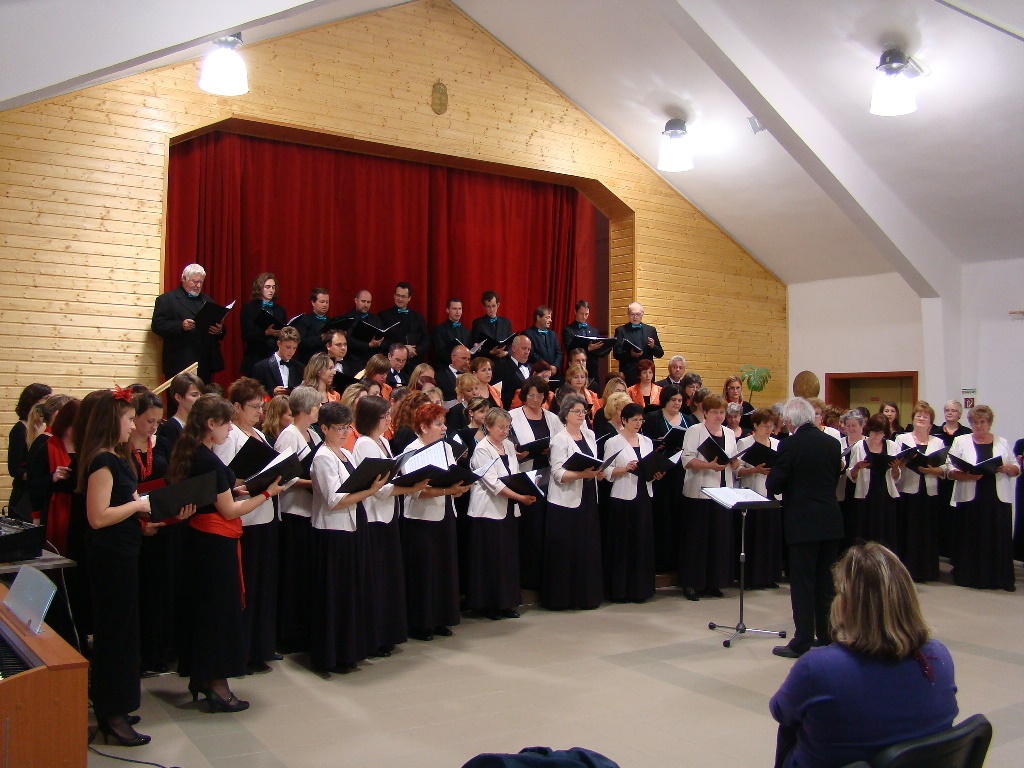
The regular concerts of the Gesualdo Kamarakórus take place in the Hungarian National Museum (giving about 4 concerts a year), the church of Saint Michael (Albertfalva, Budapest), the Community House of Albertfalva (also the place for rehearsals) and in other halls of the country. The Choir runs as an association (president: Peter Kolin) aiming to popularize Hungarian culture worldwide, as well as foreign culture in Hungary. the non-choral professions of the choir members vary from teachers, students, business-men, and scientific researchers to clerics, accountants, carpenters, and engineers.
Director: András Stimecz |